
Welcome to the World Above
There's a moment every drone photographer remembers — that first time the camera lifts off the ground and the world below transforms into something breathtaking. Rivers become ribbons of silver, forests turn into textured carpets of green, and familiar streets reveal patterns you never knew existed. Drone photography is one of the most exciting creative frontiers available to photographers today, and the good news is that getting started is more accessible than ever.
Whether you're a seasoned photographer looking to expand your perspective or a complete beginner picking up a camera for the first time, this guide will help you take your first confident steps into aerial photography.
Choosing Your First Drone
Before you can chase golden-hour light from 300 feet up, you need the right equipment. The drone market has something for every budget and skill level, but a few key specs matter most for photography.
- Camera quality: Look for at least a 12-megapixel sensor and the ability to shoot in RAW format for maximum editing flexibility.
- Gimbal stabilization: A 3-axis gimbal keeps your footage smooth even in light wind — essential for sharp, professional-looking images.
- Flight time: Most beginner drones offer 20–30 minutes per battery charge. Budget for extra batteries right from the start.
- Obstacle avoidance: For beginners, sensors that detect and avoid obstacles are a genuine lifesaver — both for your drone and your confidence.
Popular entry-level options like the DJI Mini series offer an incredible balance of portability, image quality, and ease of use without overwhelming a newcomer. As your skills grow, so can your kit.
Know Before You Fly: Rules and Regulations
This is the part many beginners skip — and it can lead to serious consequences. Drone regulations vary significantly by country and region, but most share common principles designed to keep the skies safe.
- In the United States, drones over 250g must be registered with the FAA, and recreational pilots must follow The Exception for Recreational Flyers guidelines.
- Many countries require you to stay below 400 feet (120 meters) above ground level.
- Always avoid flying near airports, restricted airspace, crowds, and emergency response zones.
- Apps like Airmap, DJI Fly, and B4UFLY can help you check whether your planned flight location is legal and safe.
Taking the time to understand your local rules isn't just about avoiding fines — it's about being a responsible member of the photography community and protecting the access we all enjoy.
Essential Techniques for Stunning Aerial Shots
Think in Patterns and Geometry
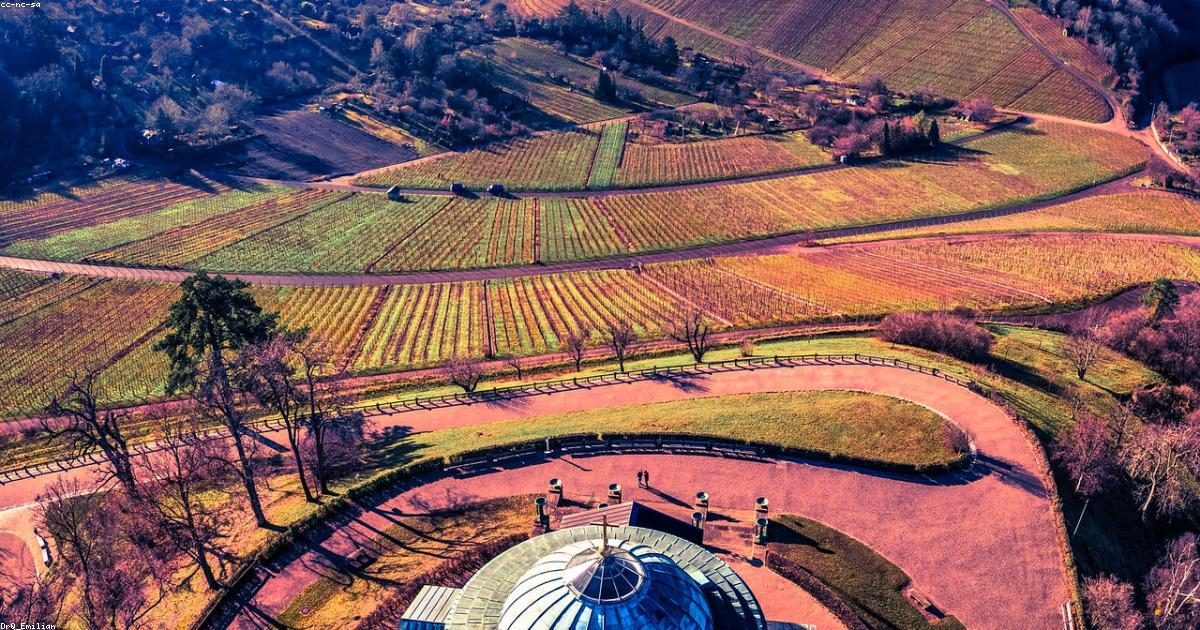
The aerial perspective reveals something ground-level photography simply cannot — natural and man-made geometry. Roads, fields, coastlines, and architecture all take on new meaning from above. Train yourself to look for lines, shapes, symmetry, and repeating patterns when planning your shots.
Use the Rule of Thirds (From Above)
The compositional rules you already know still apply — the rule of thirds, leading lines, and framing all work beautifully in aerial photography. Most drones let you enable a grid overlay on your live view display to help you compose thoughtfully rather than just pointing the camera downward.
Chase the Golden Hours
Early morning and late afternoon light transforms aerial photography. Long shadows create dramatic depth and texture across landscapes, and the warm tones of sunrise or sunset add an emotional quality that midday light simply can't match. Plan your flights around these windows whenever possible.
Experiment with Altitude and Angles
Don't just hover at maximum altitude and shoot straight down. Try flying lower and at oblique angles to add depth and dimension. Tilting the camera between fully forward and straight down gives you a huge range of dramatically different perspectives from a single location.
Post-Processing Your Aerial Images
Shooting in RAW gives you tremendous latitude in post-processing. Aerial shots often benefit from subtle adjustments to clarity and texture to bring out detail in landscapes, careful horizon straightening (wind can tilt your drone without you noticing), and thoughtful color grading to enhance the mood of the scene. Tools like Adobe Lightroom and Capture One are excellent choices for developing your aerial RAW files.
Practice, Patience, and Persistence
Like any craft, drone photography rewards those who practice consistently. Spend time flying in open, safe areas before heading to complex locations. Study the work of aerial photographers you admire. Review your images critically and ask yourself how the composition, light, and timing could be improved next time.
Most importantly, enjoy the process. Every flight is a fresh opportunity to see the world differently — and that sense of wonder never really goes away, no matter how experienced you become. Welcome to the sky.